In general
Erasmus+ blended mobility for universities
Erasmus Blended Intensive Programs (BIP) are a new form of mobility within the Erasmus+ program that combine physical and virtual components of teaching. Participants of the BIP program have the opportunity to participate in short-term intensive training, which includes virtual work before and/or after the physical meeting, which enables a more flexible approach to learning.
The programs are designed to promote international cooperation and an interdisciplinary approach to learning, enabling students and teachers to exchange knowledge and experience with colleagues from different countries. BIPs include activities such as lectures, workshops, practical work and team projects, and often focus on current topics such as sustainable development, digital transformation and innovation.
For students, participation in BIP programs is an opportunity to acquire new knowledge, skills and international contacts, with the possibility of recognition of ECTS credits earned during the program. Also, by participating in BIP, students have the opportunity to develop linguistic and intercultural competences, which is of great importance for competitiveness on the global labor market.
The physical part of the program usually lasts a few days or weeks and takes place at a partner institution abroad, while the virtual part is an opportunity to participate in online activities and projects from the comfort of your own home. BIP programs are also adapted to students who, for various reasons, cannot participate in long-term mobility, which enables greater inclusion and accessibility of the Erasmus+ program.
Universities across Europe encourage the participation of their students and teachers in BIPs in order to strengthen international cooperation, innovation in education and expand opportunities for personal and professional development.
Modern engineering in traffic
Modern engineering in traffic
Students had the opportunity to listen to lectures related to challenges in modern transport solutions. After completing the virtual class, students are given assignments to be handed in and presented on the physical component. In this way, students had the obligation to “think-create-present” their idea and compare it with other participants from different countries and universities.
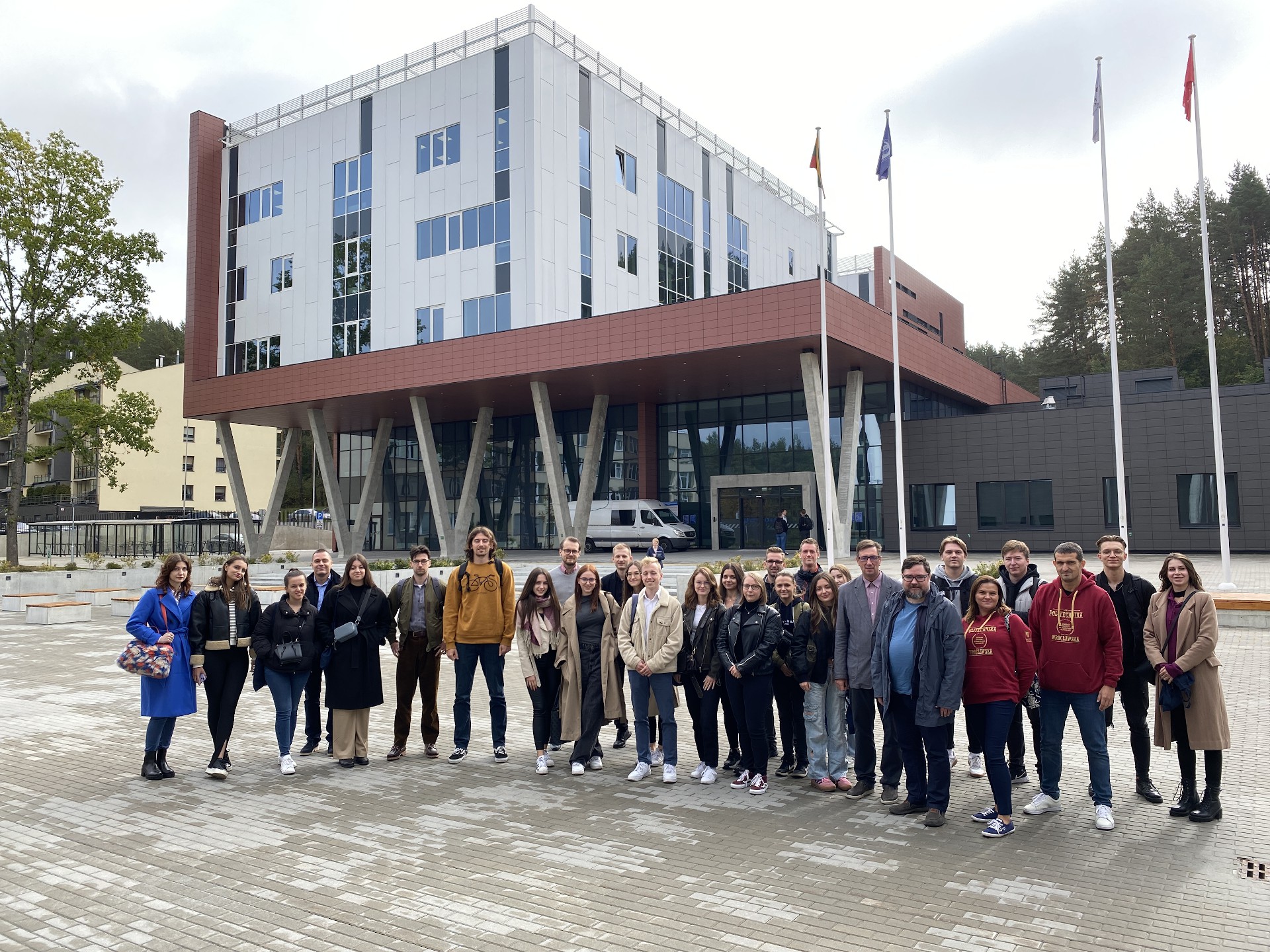
In the last week of BIP, students joined the physical component in Vilnius, Lithuania. Students learn about gearboxes and hydraulic drives of various types of vehicles and the challenges faced by modern traffic engineering. Students worked in groups with the opportunity to share or compare their ideas, solutions or questions to improve their creativity, engineering, presentation and communication skills.
Partners:
- University of Zagreb, Faculty of Transport Sciences, Croatia
- Wrocław University of Science and Technology, Faculty of Mechanical Engineering, Poland
Resilient transport systems and logistics
Resilient transport systems and logistics
The aim of the BIP program called “Resilient transport systems and logistics” was to show the challenges that prevent safe and adequate transport and logistics services.
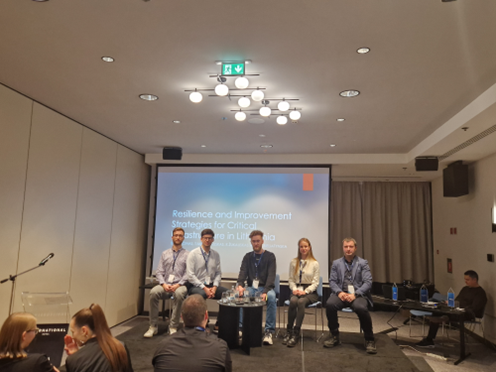
In the last week of BIP, students join the physical component in Zagreb, Croatia. Students were introduced to disruptions, unexpected events and crises that showed how interconnected and fragile international supply chains are. The emphasis of this physical component was on the creation and development of business strategies, which enables agile and sustainable transport systems.
Partners:
- Vilnius Gediminas Technical University, Lithuania
- Wrocław University of Science and Technology, Faculty of Mechanical Engineering, Department of Technical System Operation and Maintenance, Poland
- University “POLITEHNICA” of Bucharest, Faculty of Transports, Transport, Traffic and Logistics Department, Romania
- University of Pardubice, Faculty of Transport Engineering, Czech Republic
Sustainable mobility
Sustainable mobility
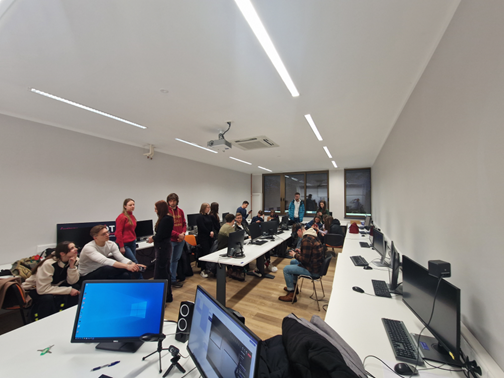
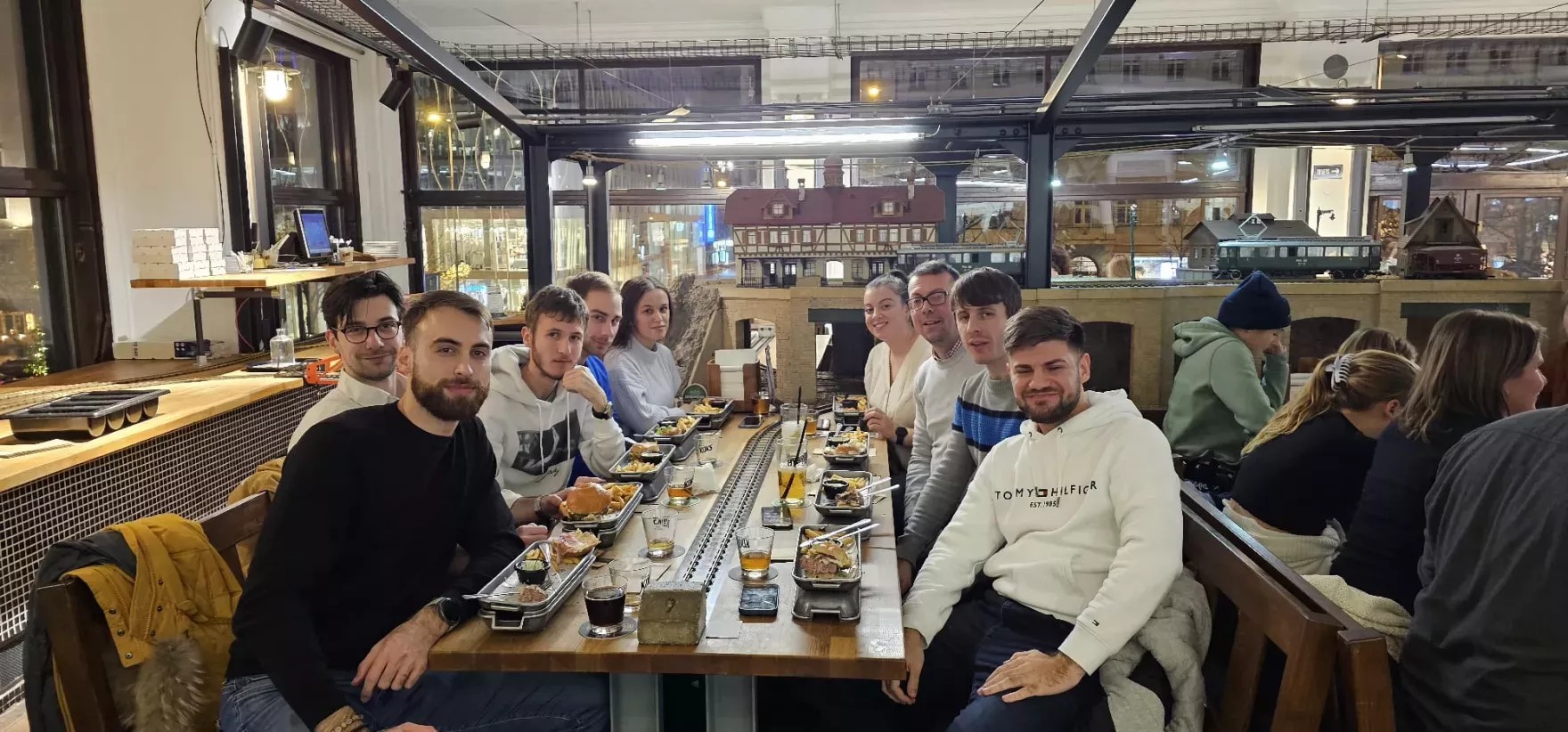
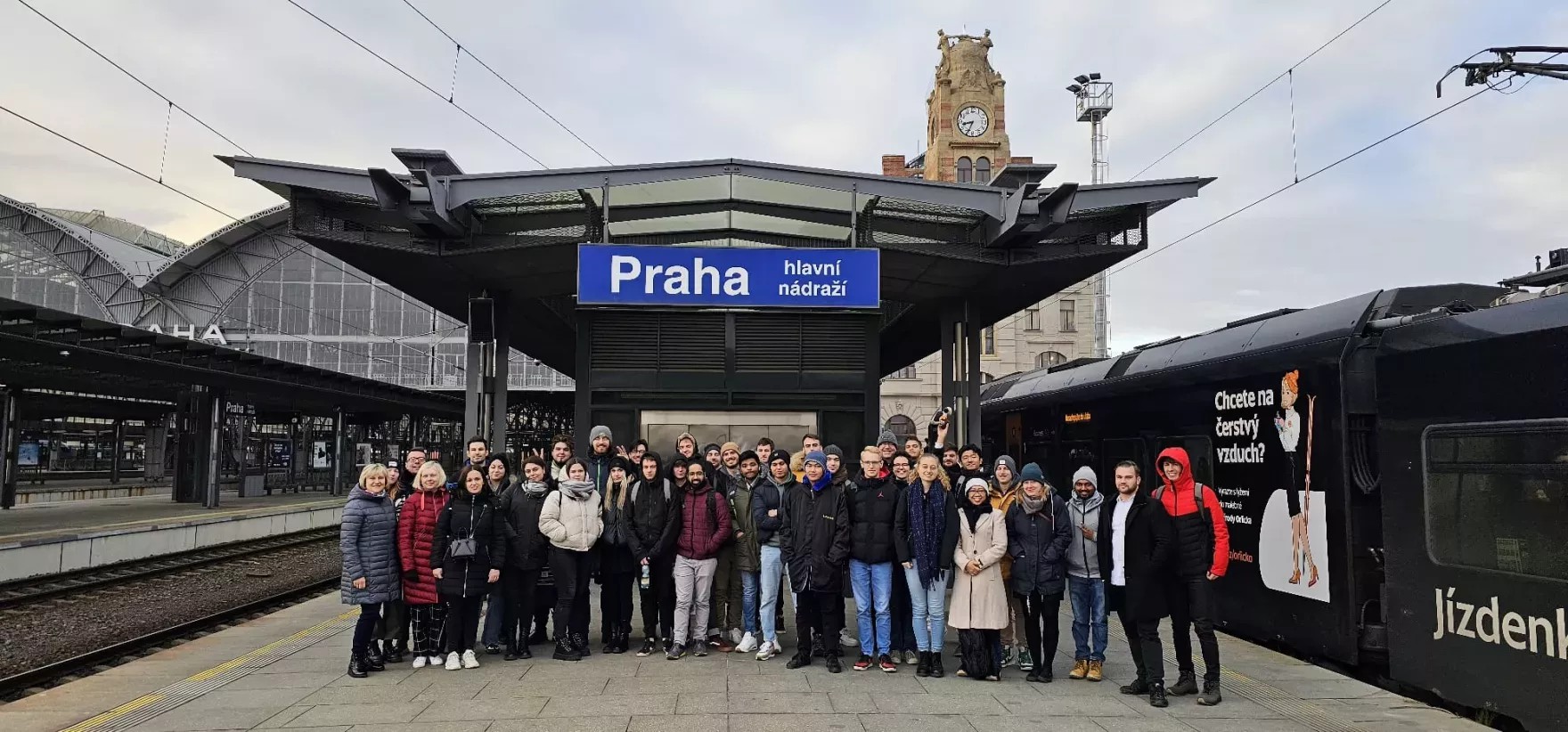
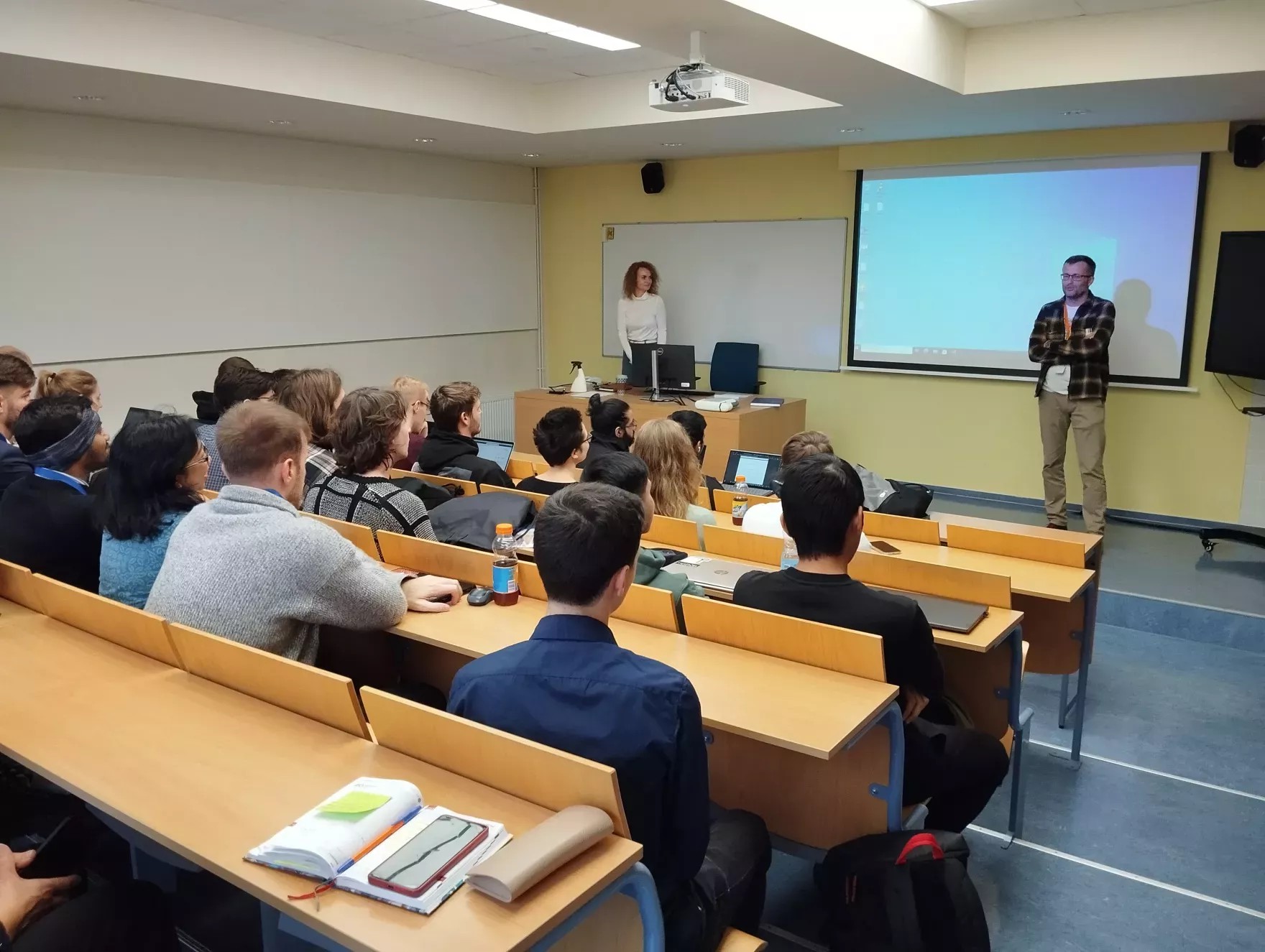
BIP with the theme of sustainable mobility was held in Pardubice, a city in the heart of the Czech Republic. The program lasted an intensive three months, and consisted of online lectures and problem-solving activities. Each team was composed of students from different countries and solved their own unique problem. The interesting thing was how the entire online communication was done via Discord. After the tasks were in a high stage of readiness, all teams gathered live at the University of Pardubice. During a very intense week, the morning hours were reserved for lectures in the field of urban mobility, the afternoon hours for technical visits and discussions about possible solutions, and the evening hours were for a very rich social program. On the last day of physical mobility, presentations of solutions to the tasks of all teams were held and a debate was organized on the advantages and disadvantages of each solution.
Partners:
- FH Joanneum, Austria
- University of Zagreb, Faculty of Transport Sciences, Croatia
- Riga Technical University, Latvia
- Vilnius Technical and Design College, Lithuania
Sustainable and innovative logistics systems
Sustainable and innovative logistics systems
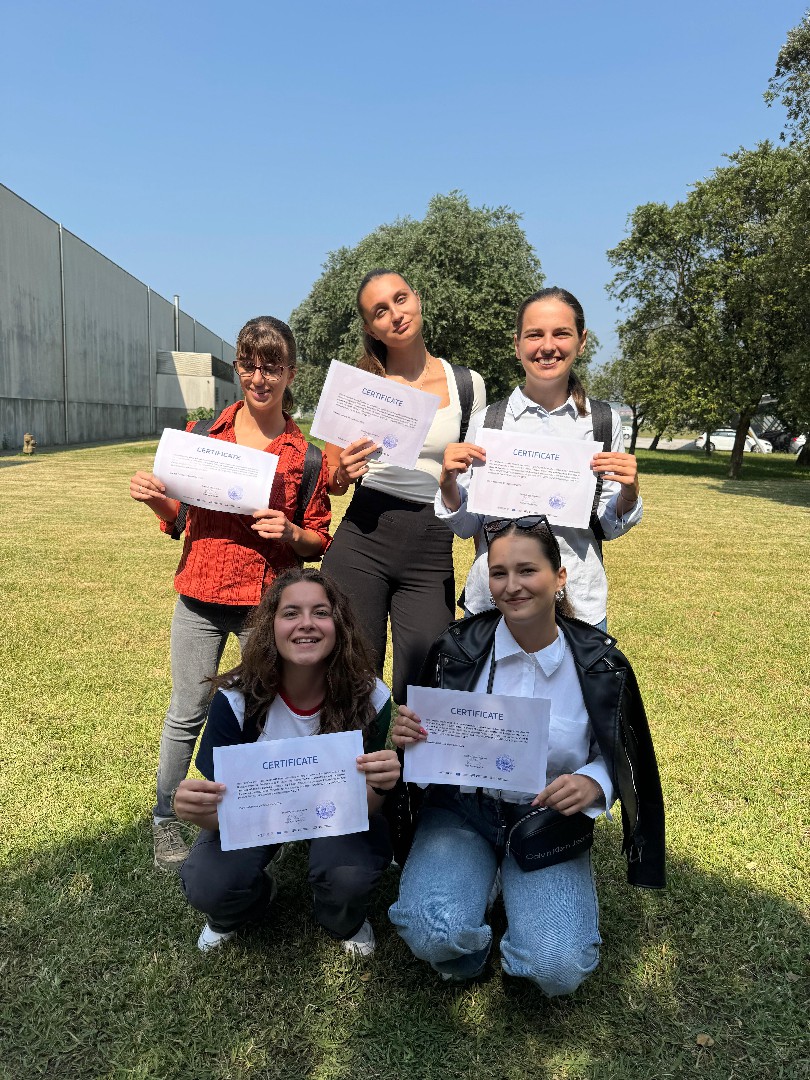
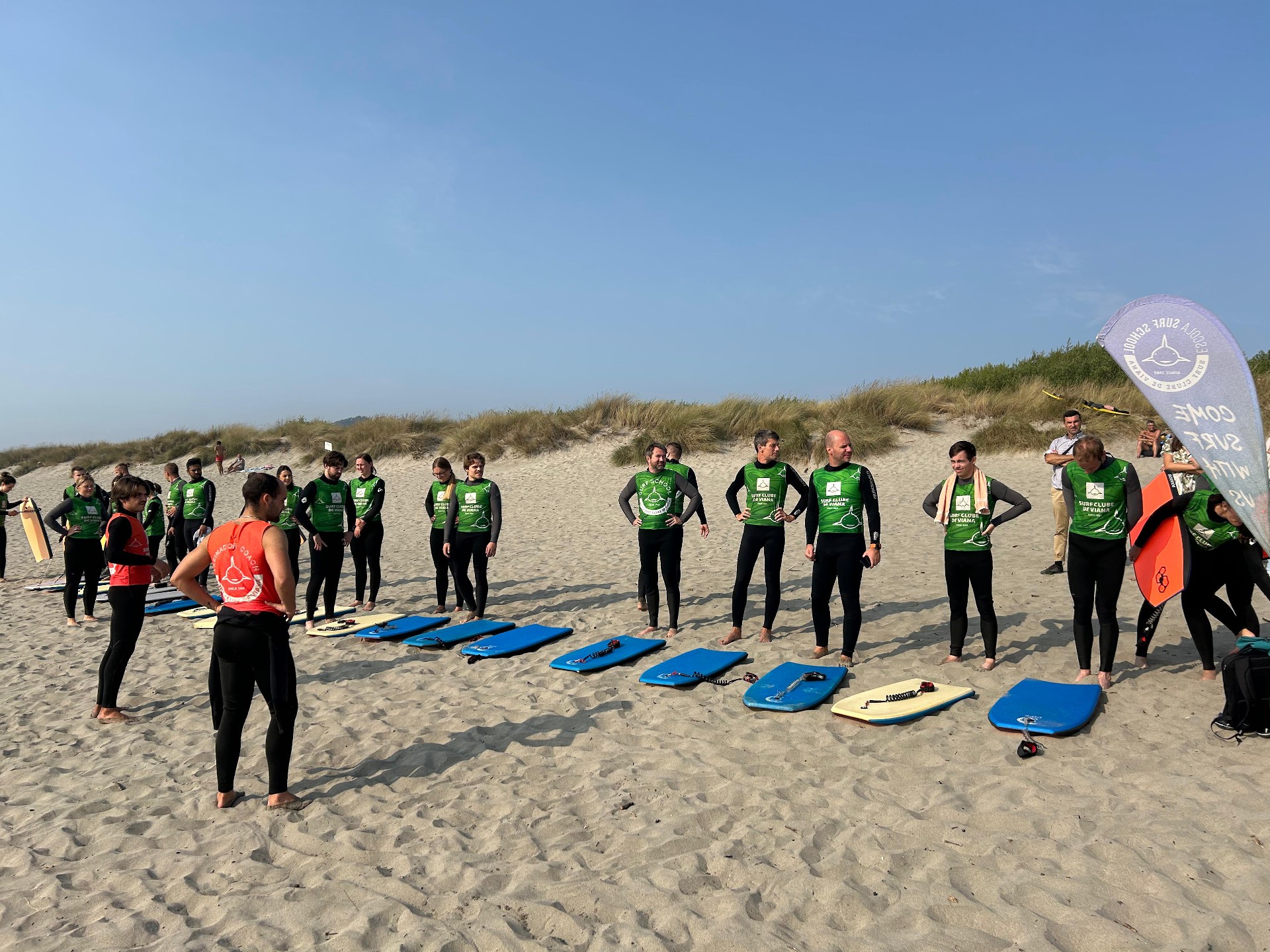
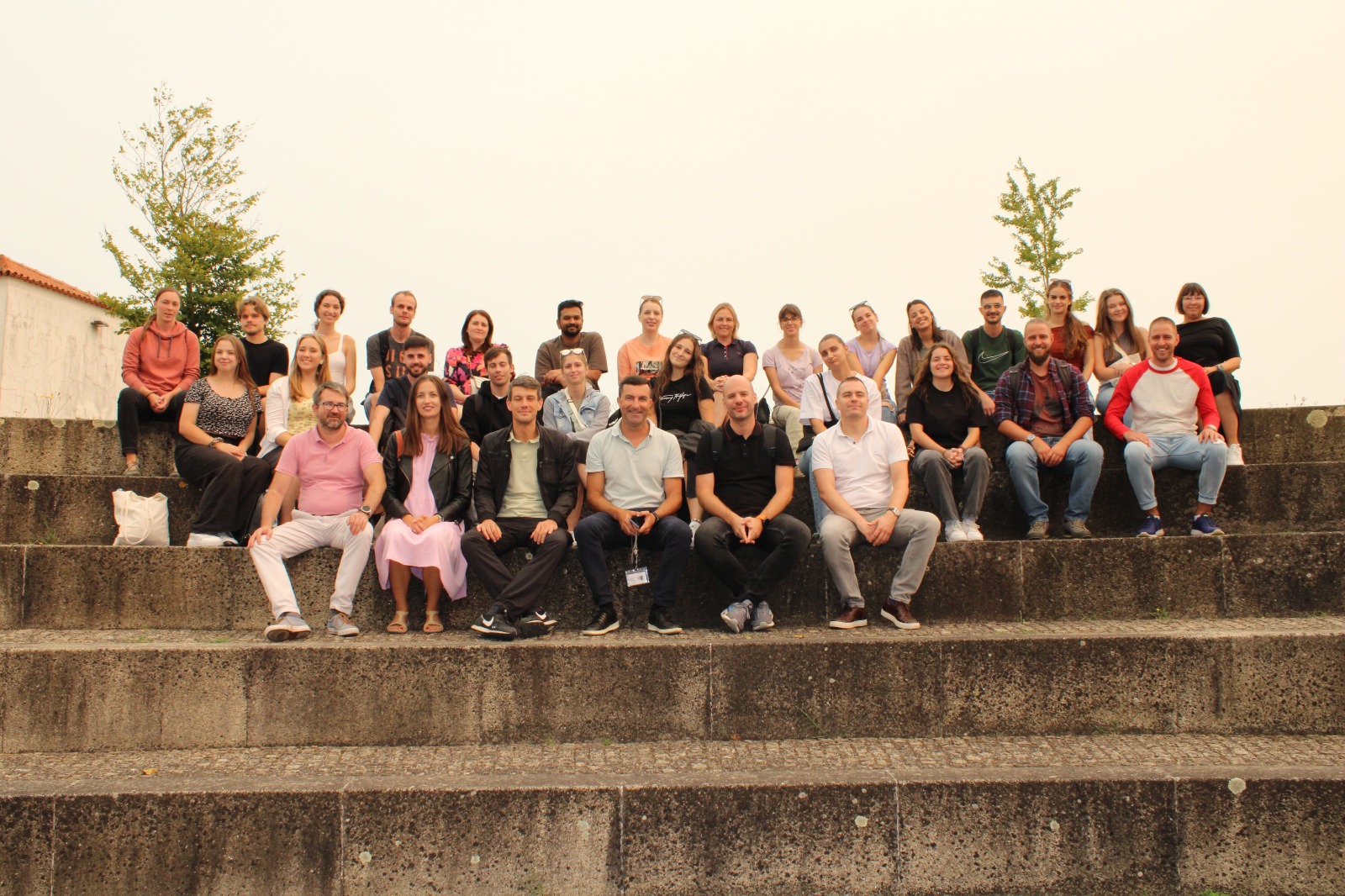
Through lectures, presentations, teamwork and visits to companies, students gain insight into trends and contemporary aspects of international business and logistics for the green and digital transition, which is an EU priority.
Partners:
- University of Zagreb, Faculty of Transport Sciences, Croatia
- University of Maribor, Faculty of Logistics, Slovenia
- Warsaw University of Life Sciences, Poland
- Vilnius Gediminas Technical University (Vilnius Tech), Lithuania
- Tomas Bata University in Zlín, Czech Republic
- Cracow University of Technology, Poland
- Istanbul University, Turkey
Green logistics and new trends in logistics
Green logistics and new trends in logistics
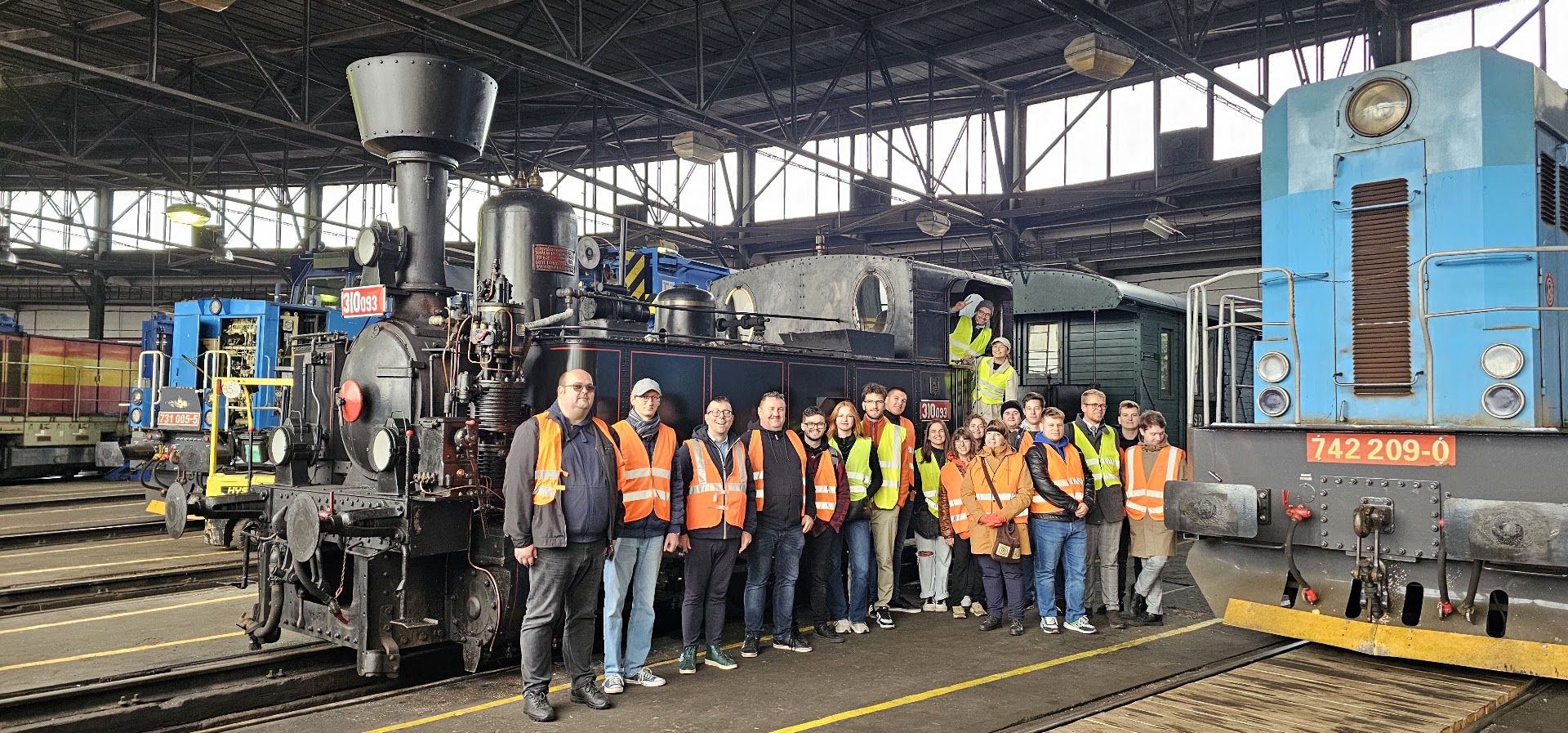
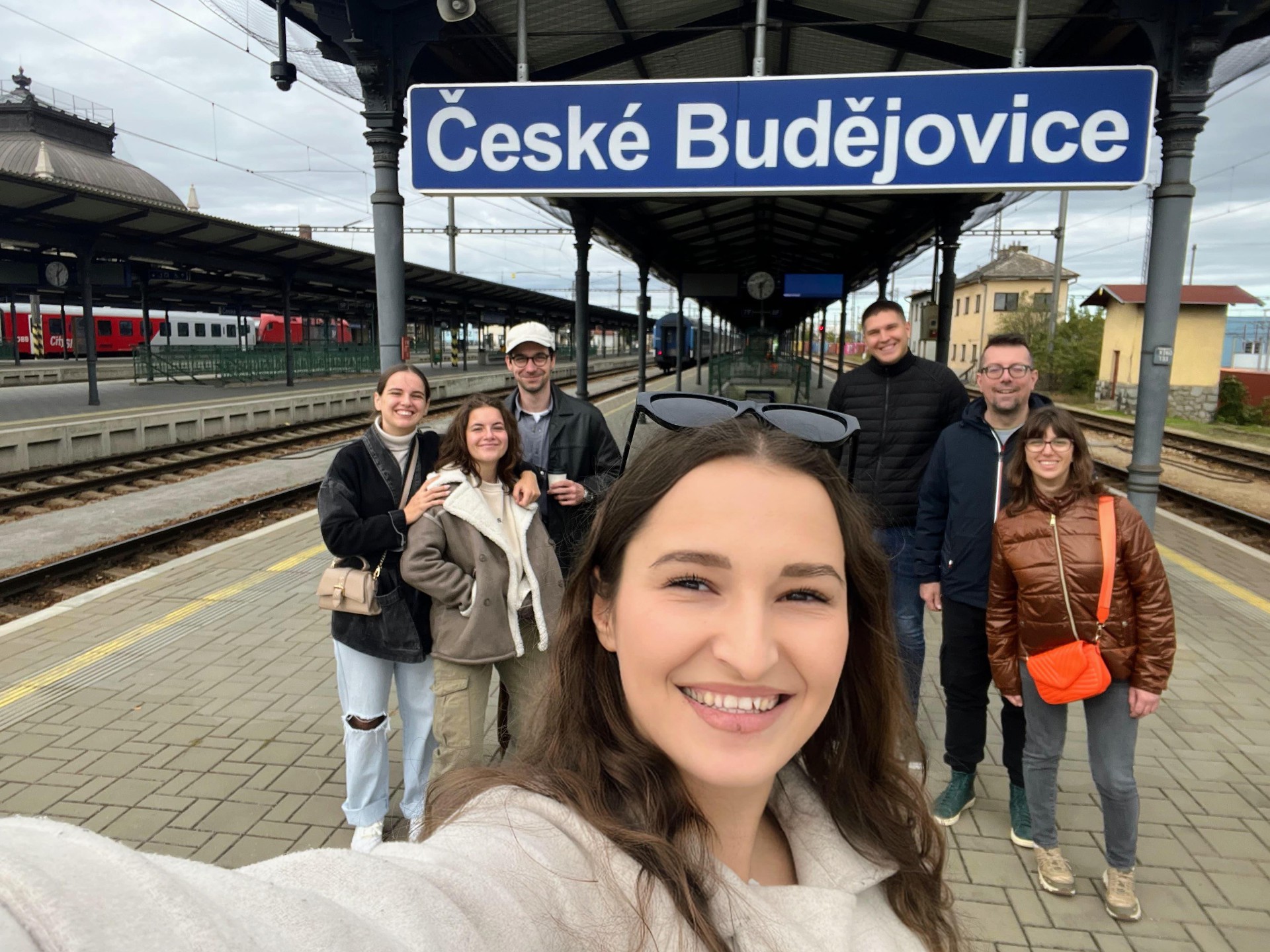
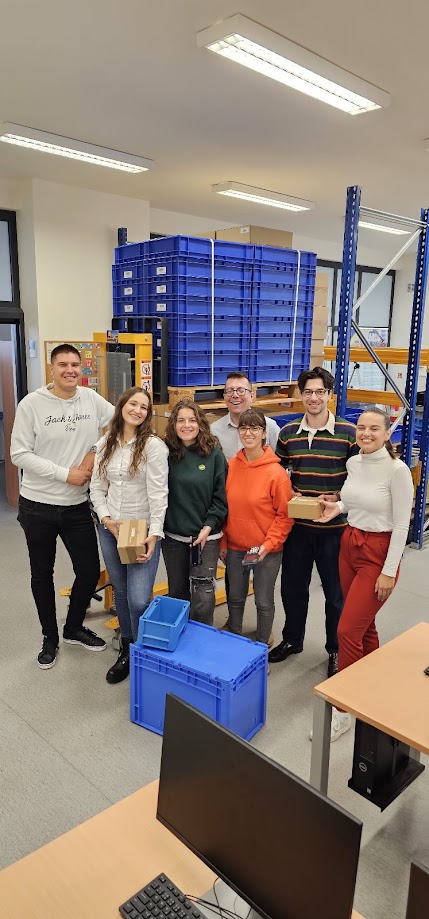
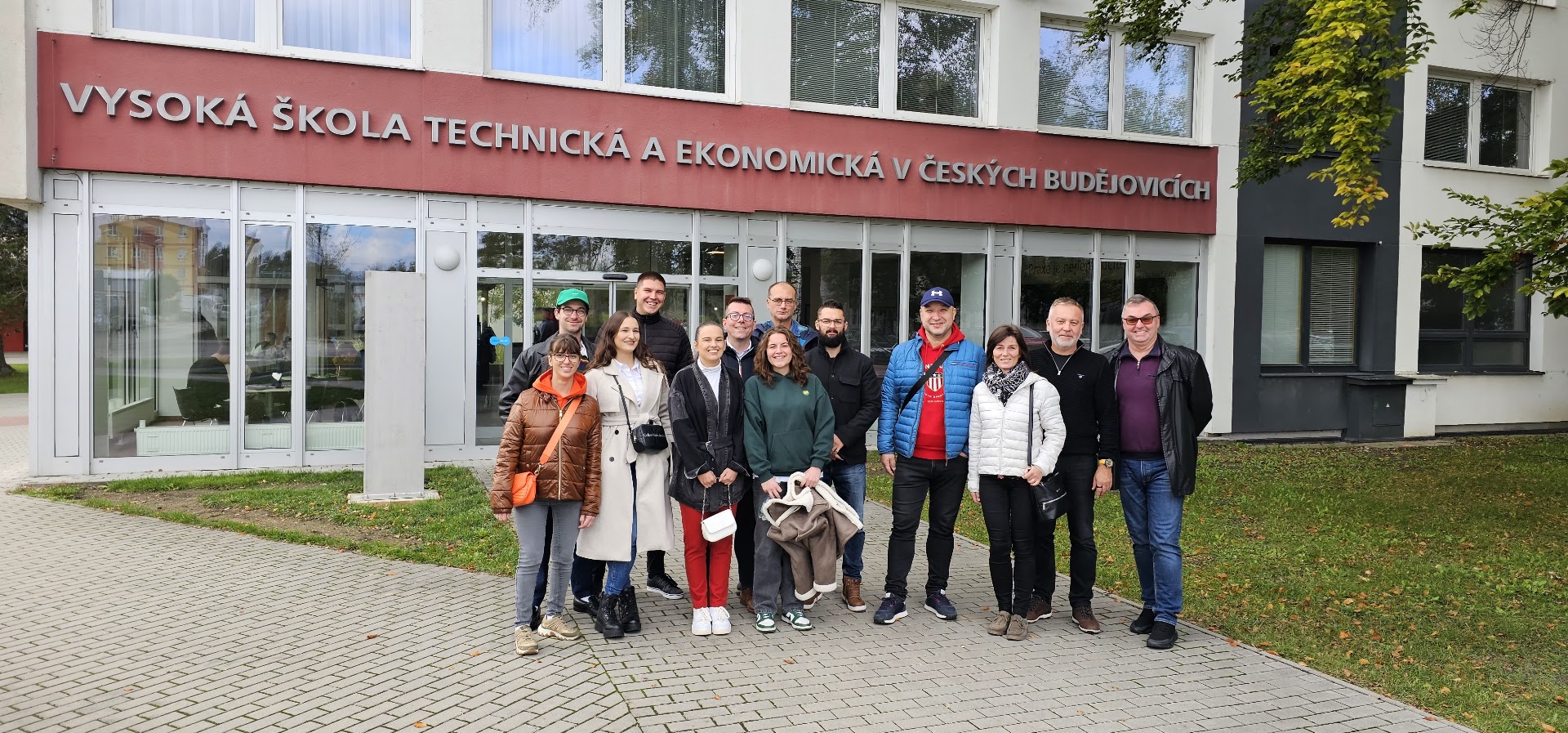
In the city of the most famous beer in the world, Česky Budejovice, BIP took place with the theme of green logistics and new trends in logistics. This BIP lasted three weeks in the form of online lectures and physical mobility. During online lectures, eminent logistics experts from the Czech Republic explained new trends in logistics and the application of the green logistics paradigm. Then it was a very intense week, the morning hours were reserved for lectures in the field of green logistics, the afternoon hours for technical visits and the evening hours were for a very rich social program. In that week, the technical visits to different logistics companies whose services cover the whole of Europe and some the whole world were particularly interesting.
Partners:
- University of Zagreb, Faculty of Traffic Sciences, Croatia
- Kielce University of Technology, Poland
Sustainable and innovative solutions in logistics
Sustainable and innovative solutions in logistics
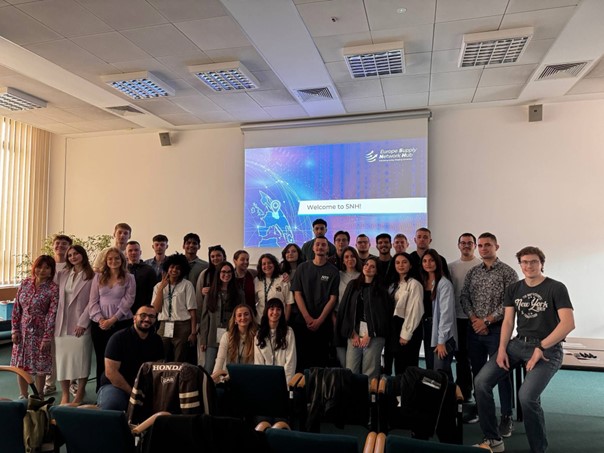
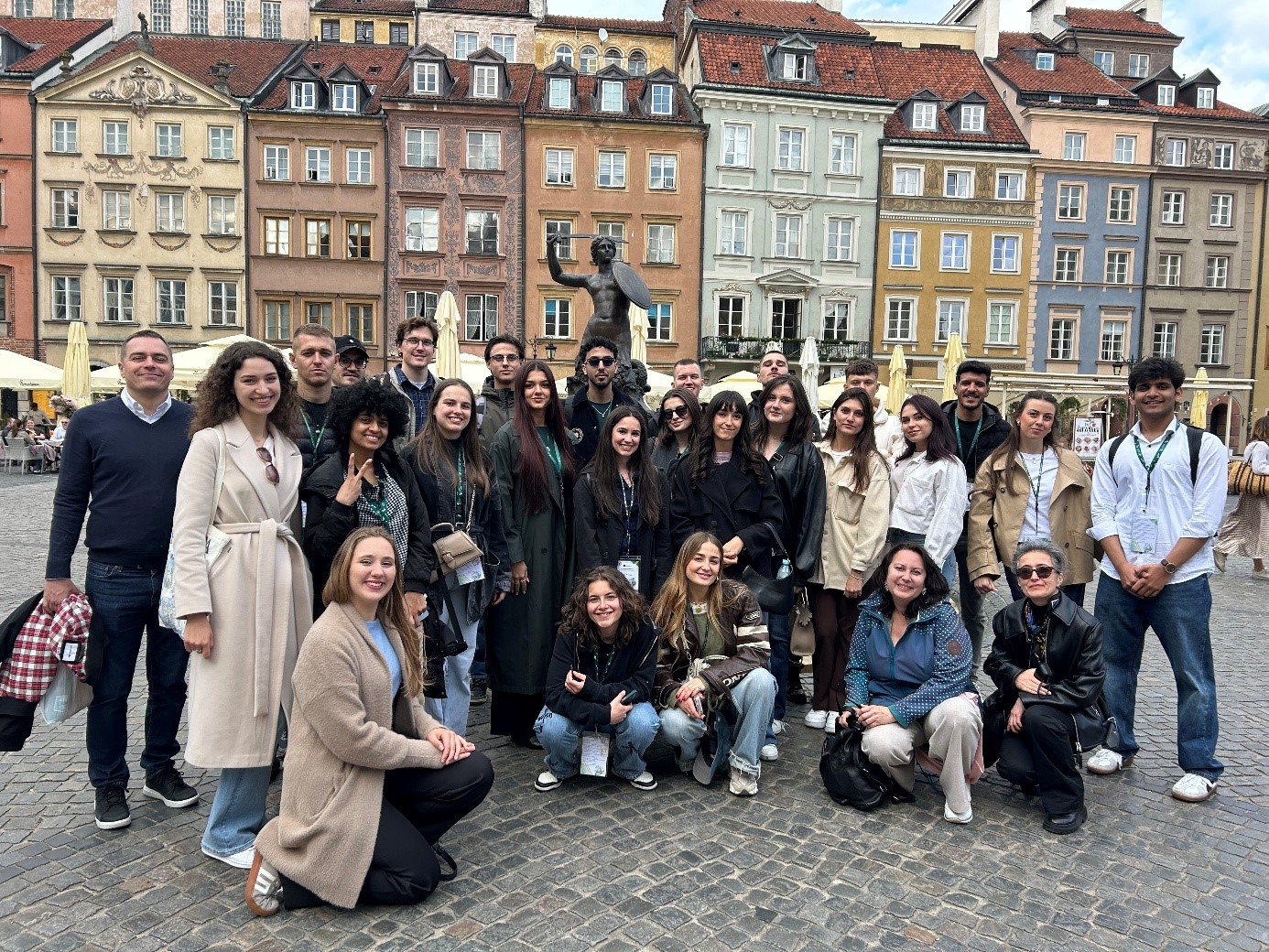
During the week in Warsaw, as part of the BIP program, we had the opportunity to get to know this beautiful city and its rich history in detail. We visited the old town, which enchanted with its architecture and atmosphere, and visited the campus, where we got an insight into academic life. We drove an old tourist bus all over the city, seeing the famous sights and enjoying the view of urban everyday life.
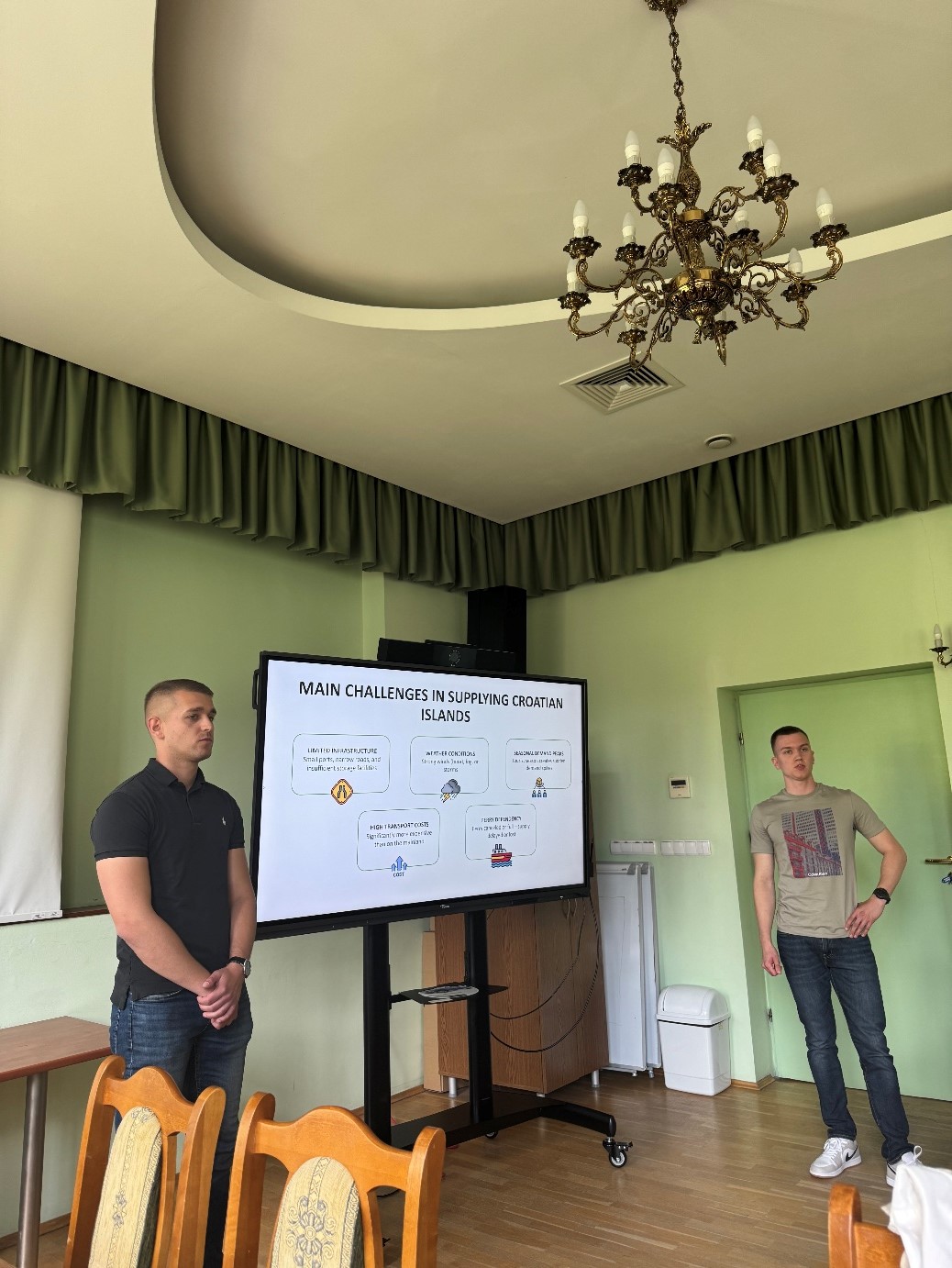
A special experience was a visit to the famous Warsaw park, Park Łazienki Królewskie, perfect for relaxing and socializing. During the week, we also presented our works and ideas, which was a great way to exchange knowledge and experiences with the hosts. We continued our socializing at the reception, where the atmosphere was friendly and cheerful.
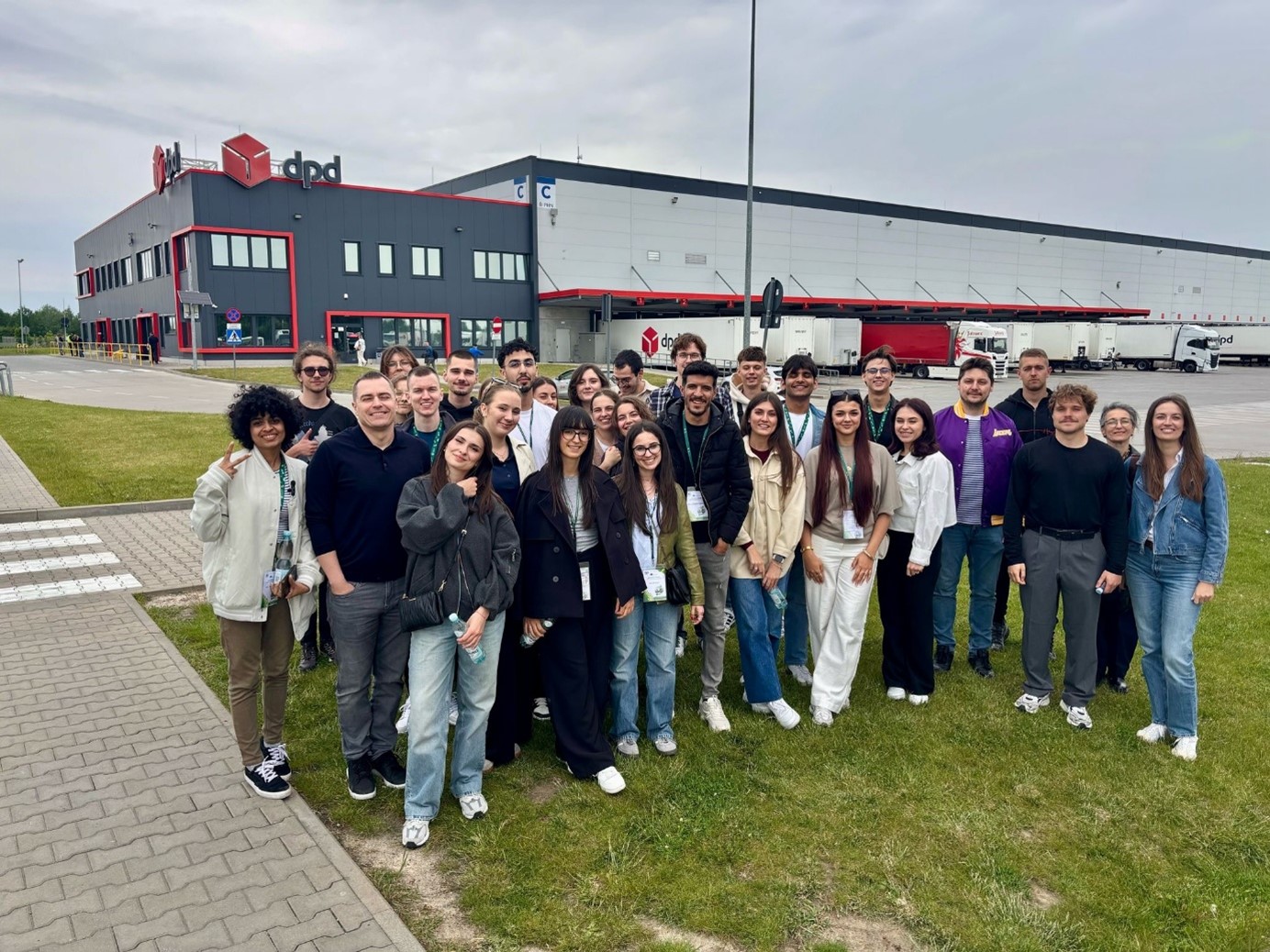
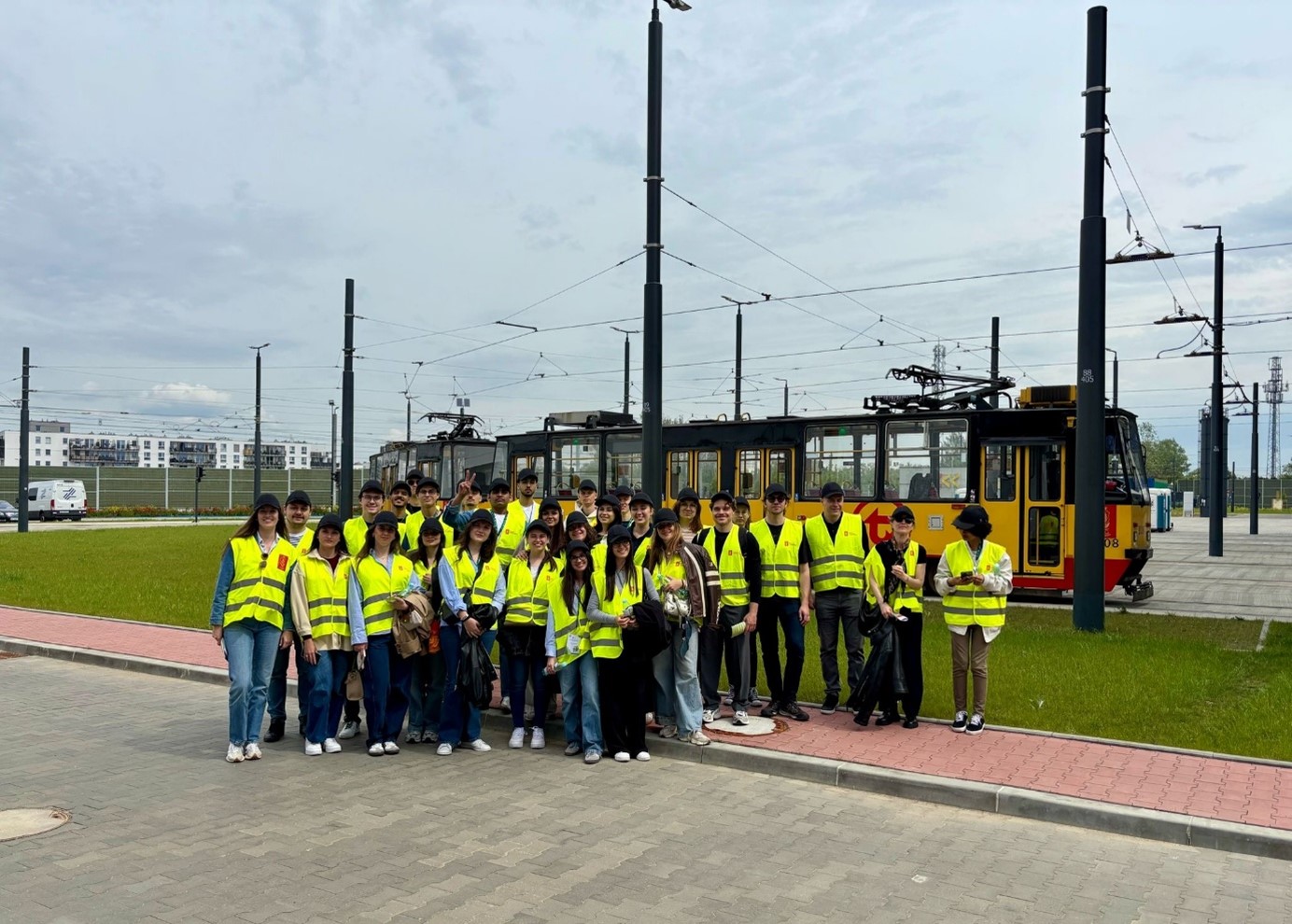
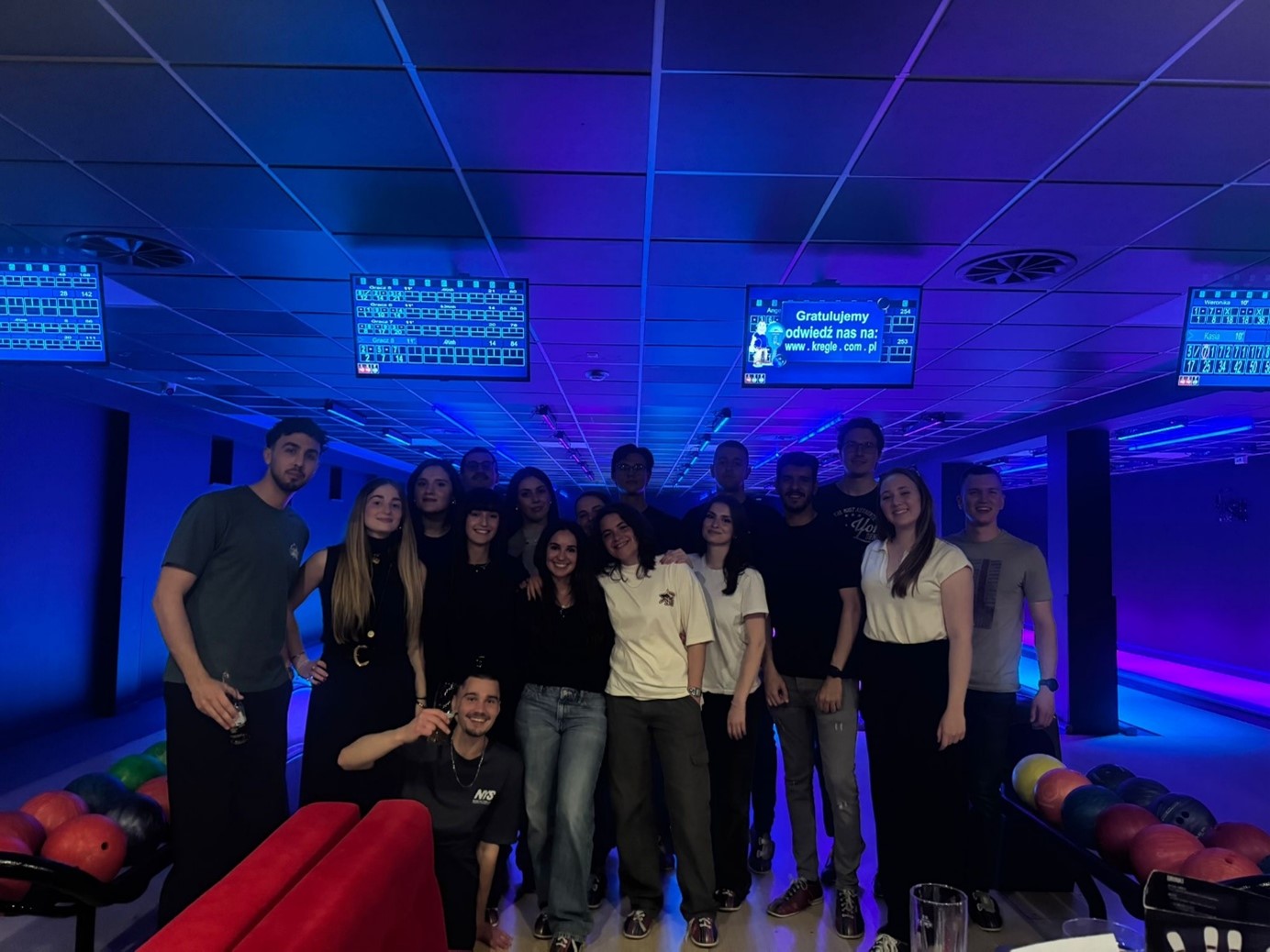
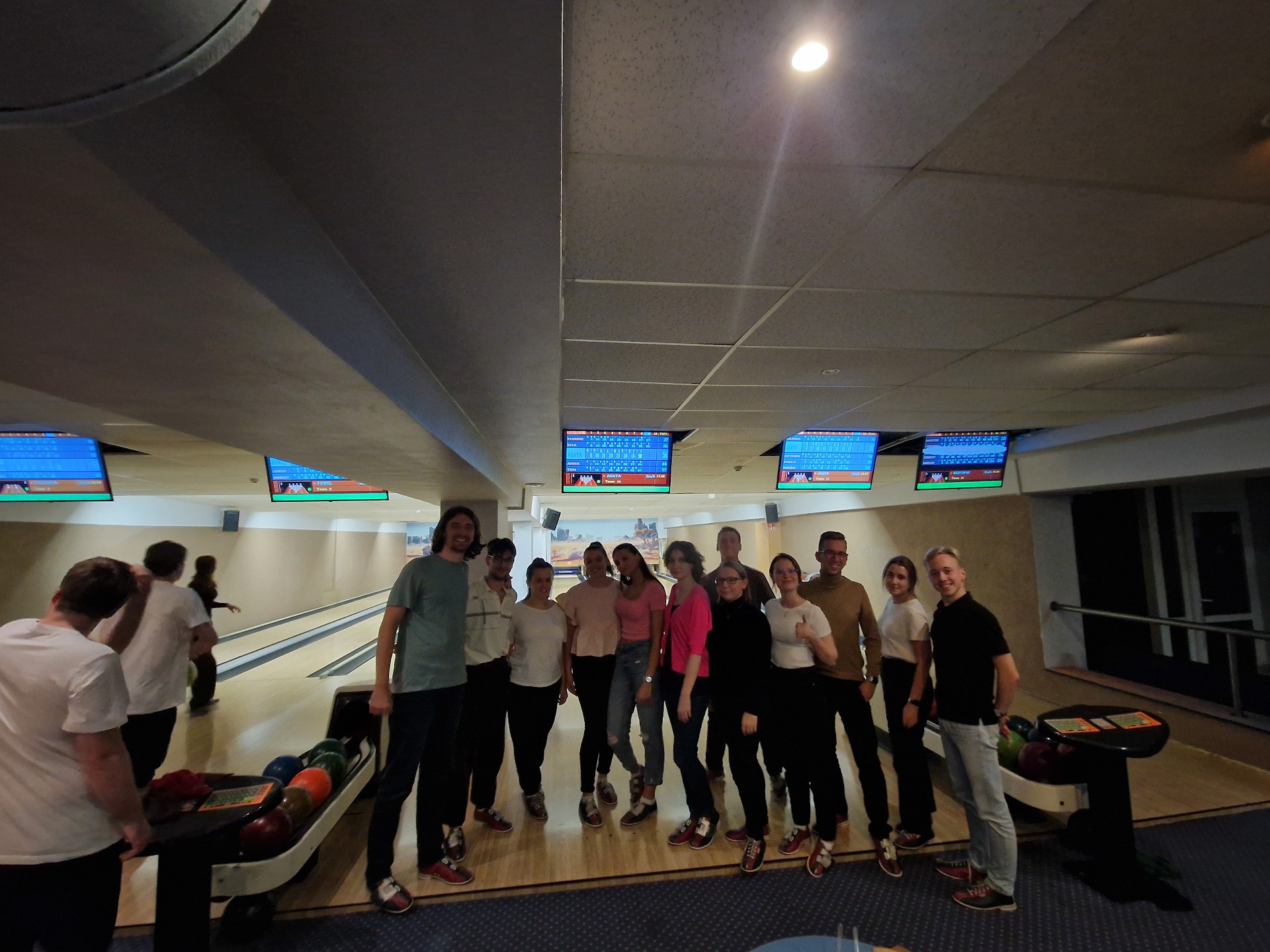
We visited the DPD warehouse, as well as the tram depot and workshops, which allowed us to better understand the technical aspects and organization of urban transport. At the end of the week, we organized fun activities – bowling, a karaoke night and a party boat, which rounded off this experience perfectly. This week was a real combination of learning, culture and fun, and it will remain in our wonderful memories.
Partners:
- University of Zagreb, Faculty of Transport and Traffic Sciences, Croatia
- University of National and World Economy, Faculty of International Economics and Politics, Department of International Economic Relations and Business, Bulgaria
- University of Maribor, Faculty of Logistics, Slovenia